
Gir

Opening…
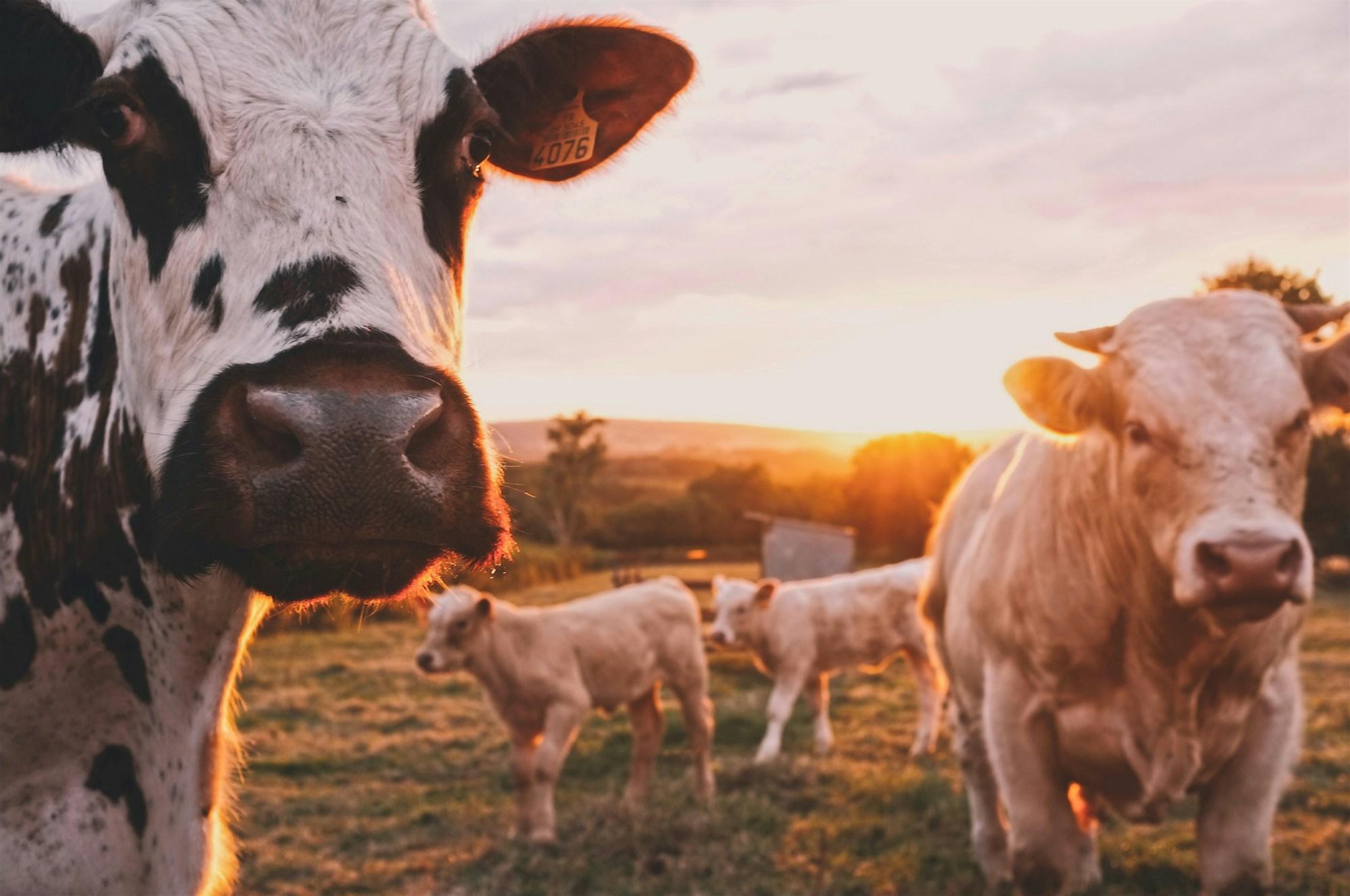
Saurashtra heat, sparse forage, and pastoral herds shaped a zebu with loose skin, a thoracic hump, and — when genotyped — often high A2 beta-casein frequency.
Ancient
Gujarat, India
Gir cattle evolved in the Gir forests and hills of Kathiawar (Saurashtra), Gujarat — shaped by arid climate, sparse forage, and pastoral stewardship.
1900s
Systematic description of Gir type established the breed as one of India's premier dual-purpose zebu cattle, valued for milk and hardiness.
1960s–80s
Brazil · Global tropics
Gir genetics contributed to tropical dairy development in Brazil and other regions, founding influential Indo-Brazilian dairy populations.
2000s
Renewed scientific and cultural interest in A2 milk, indigenous breed conservation, and climate-resilient dairy systems elevated Gir globally.
Today
Working farms and stations such as Darvi Genetics keep pedigree depth beside milk records, embryo and semen practice, and day-to-day herd husbandry.
Forged by forest and sun
The Gir breed emerged from the rugged ecology of Saurashtra. Centuries of natural and pastoral selection produced an animal capable of thriving where temperate dairy genetics falter — heat, parasites, and variable nutrition.
Loose skin, dewlap, hump, sweat gland density, and metabolic efficiency form a suite of adaptations that maintain production under thermal stress — a genetic advantage for Indian and tropical dairying.
Beta-casein integrity
Gir populations often carry the A2 beta-casein allele at high frequency. Only laboratory genotyping of individual animals confirms A2A2 status; bulk claims without tests are not used on this farm.
Breeding decisions weigh linear type, milk components, fertility, longevity, and genomic scores together. Darvi records parentage and health so each mating can be explained after the fact.
A global tropical dairy influence
From Brazil's Girolando systems to conservation programs across the tropics, Gir genetics are recognized for combining dairy potential with environmental fitness — a rare and strategic combination.
Identity first. Then the dam’s milk book. Then a mating you can explain.